
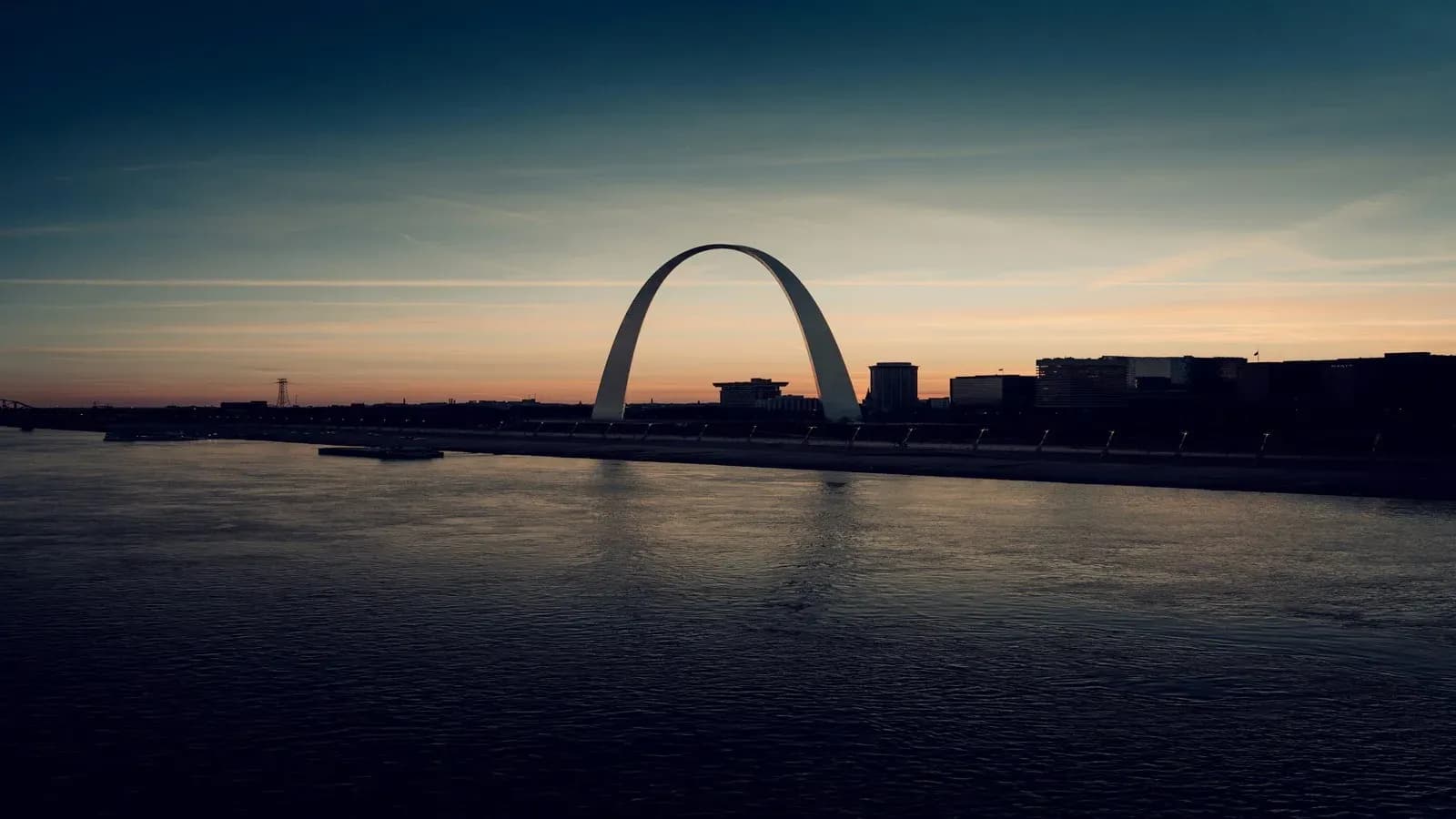
In 1900, St. Louis was the fourth-largest city in America. The ambition of that era is still visible: in the Romanesque train station that was once the world's busiest, in the Louis Sullivan skyscraper that defined the word "skyscraper," in a public park larger than Central Park that holds five institutions, all of them free. What isn't visible, at least not from a distance, is that St. Louis never stopped being remarkable. It just stopped telling people about it. Consider this our correction.
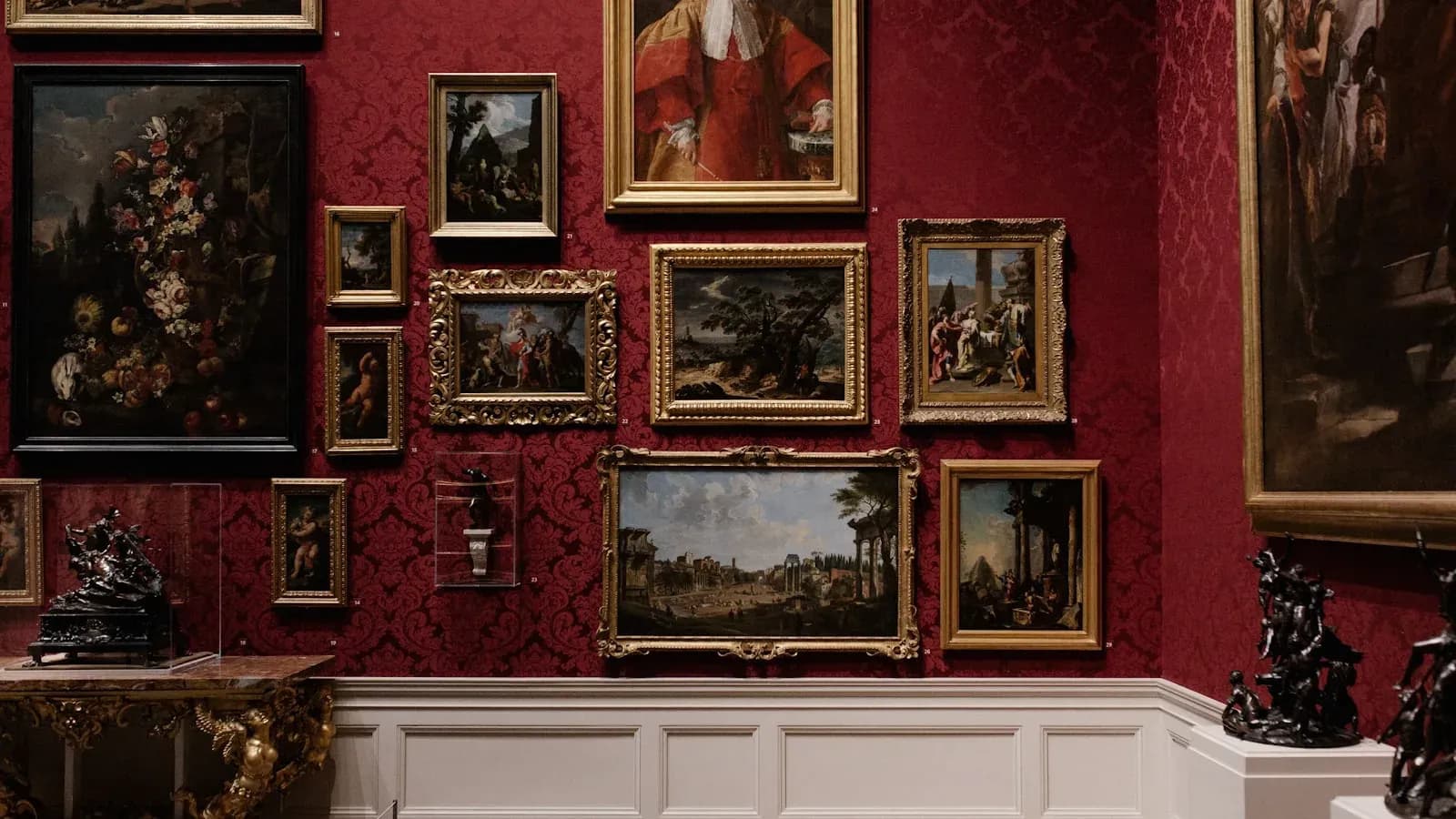
The Pulitzer Arts Foundation, designed by Pritzker Prize winner Tadao Ando, is one of the most beautiful small museums in the world. Concrete, light, water, minimalism: the building itself is the art. Richard Serra's permanent installation "Joe" holds its own in Ando's space. Admission is free. Next door, the Contemporary Art Museum St. Louis (designed by Allied Works Architecture) hosts rotating exhibitions of equal ambition. Also free. The St. Louis Art Museum, housed in the only surviving structure from the 1904 World's Fair, spans five thousand years of art. Free. The Zoo, the Science Center, the History Museum: all free, all excellent. No other American city offers this. Then there's the City Museum, not a museum at all, but a massive interactive art installation built from repurposed industrial materials. Caves, slides, a school bus hanging off the roof. It defies description and costs almost nothing.
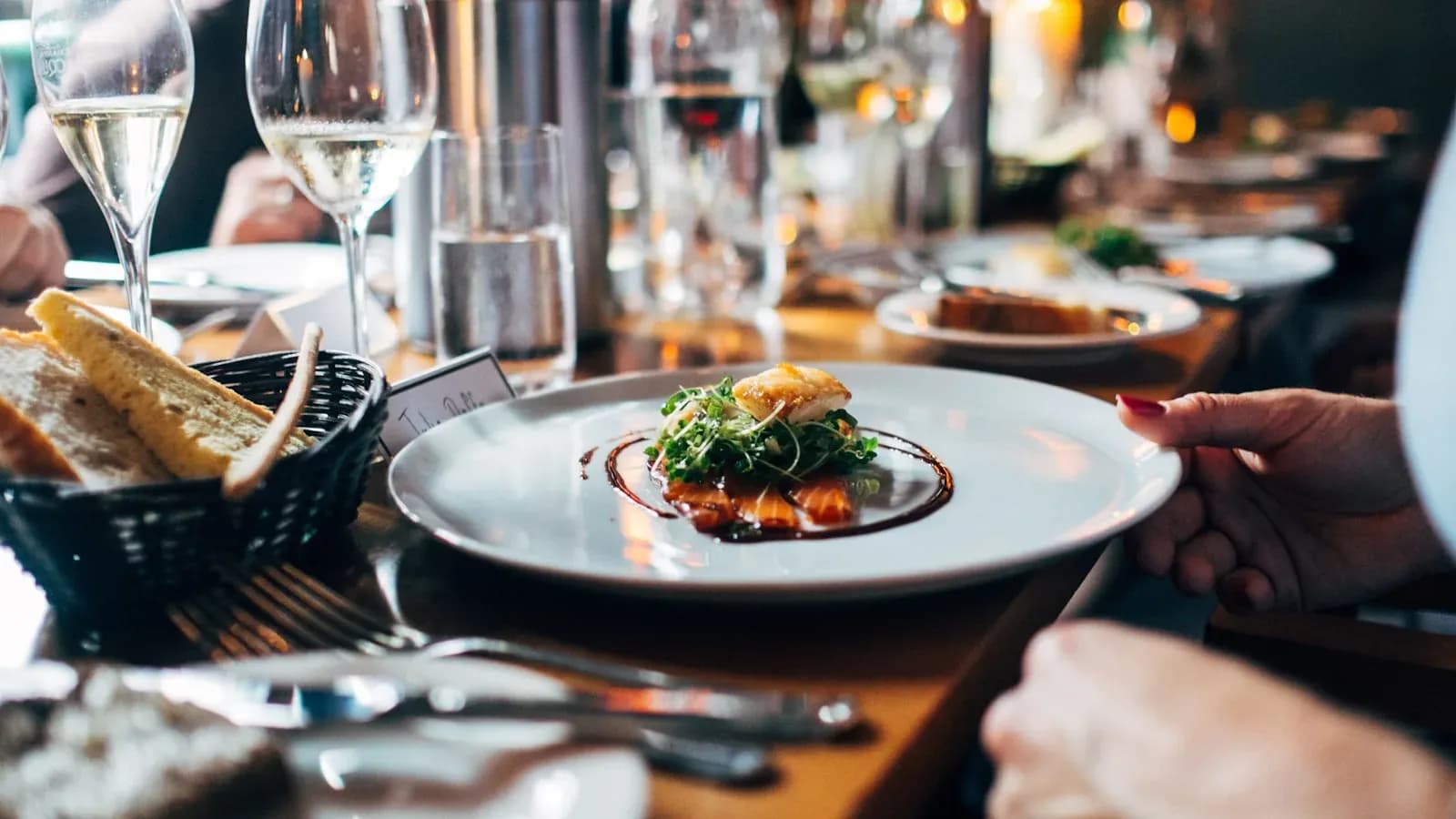
St. Louis's food scene is anchored by Gerard Craft's Niche Food Group: Brasserie by Niche (the French brasserie that put the Central West End on the national culinary map), Vicia (James Beard Award-winning, vegetable-forward fine dining), and Sardella (modern Italian with handmade pasta). But the scene runs far deeper than one restaurant group. Pappy's Smokehouse is consistently ranked among the best barbecue in America. The line starts before the doors open. Indo, from young chef Nick Bognar, serves pan-Asian dishes that have earned multiple James Beard semifinalist nods. And the local specialties are a category unto themselves: toasted ravioli (breaded and fried, invented on The Hill in the 1940s), gooey butter cake (an accident that became an institution), and St. Louis-style pizza (cracker-thin crust, Provel cheese, square-cut, divisive and essential). A dinner for two at a top St. Louis restaurant costs roughly what appetizers cost in New York. The quality gap does not exist; the price gap is enormous.
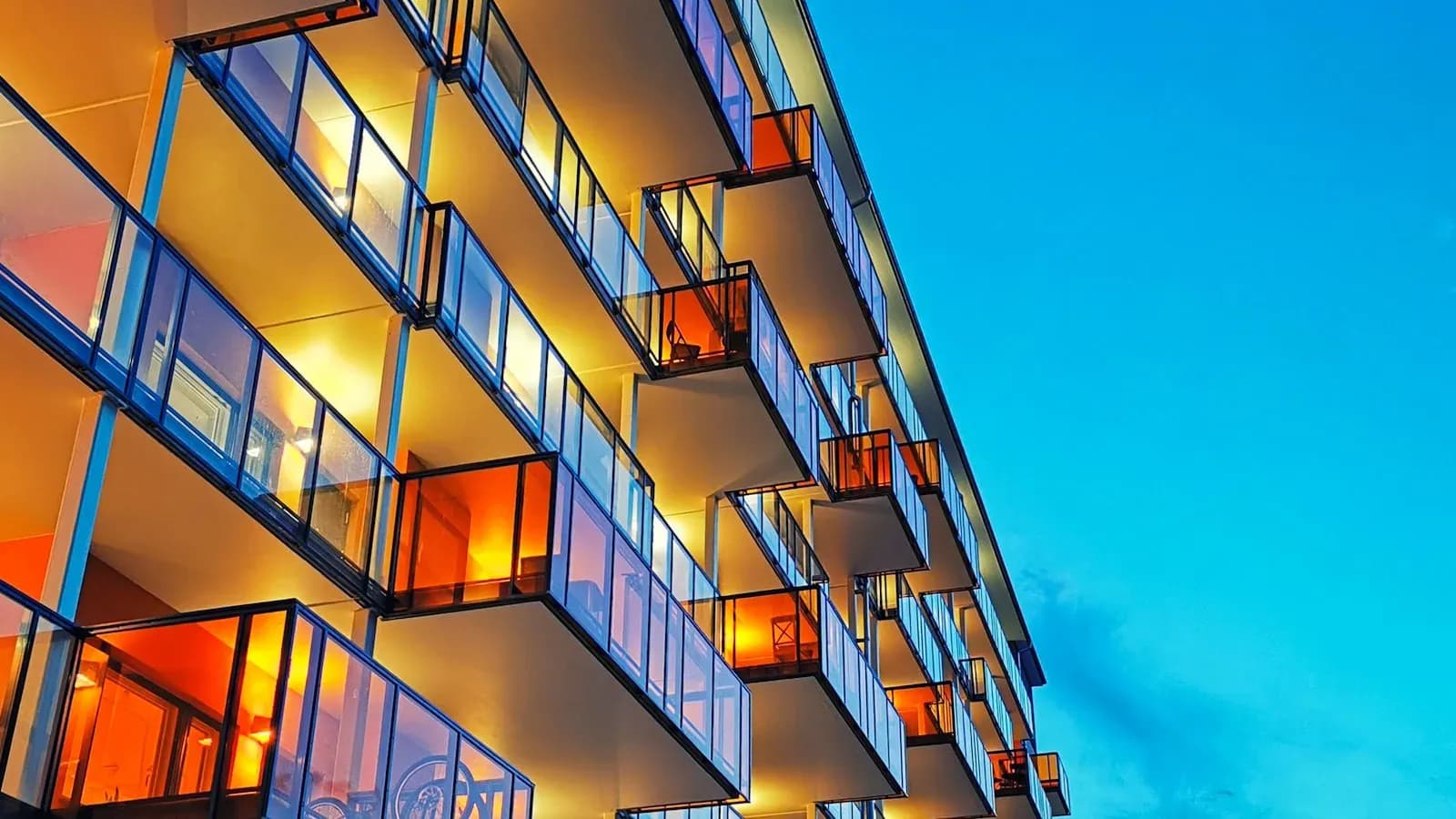
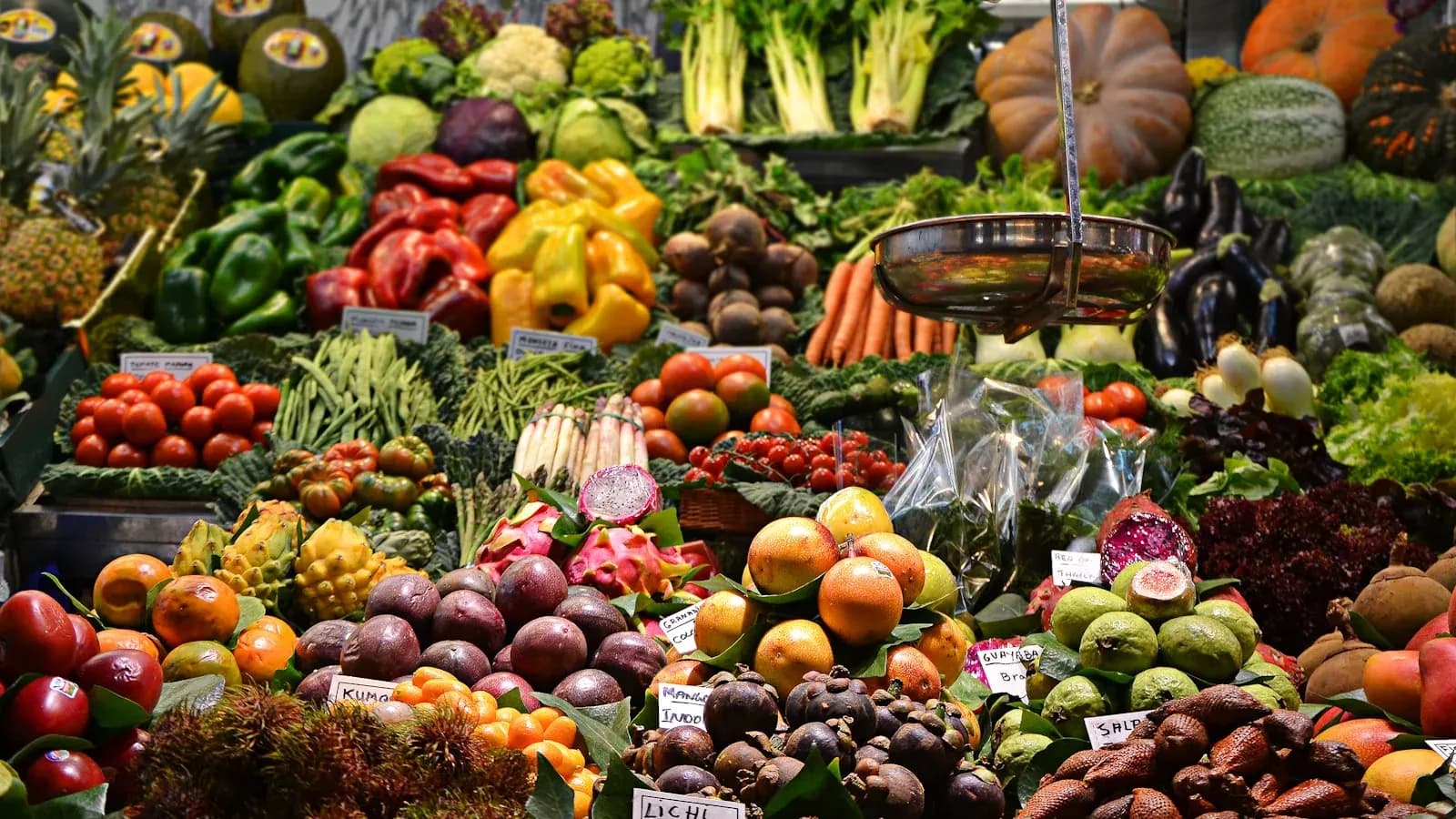
The Central West End, where our property is located, is St. Louis's most walkable neighborhood: tree-canopied streets, grand early-1900s homes, sidewalk cafés, and independent bookshops. Left Bank Books on Euclid Avenue is one of the great independents in the Midwest. Café Osage, inside the Bowood Farms garden center, serves farm-to-table brunch in a space that's half nursery, half restaurant, entirely photogenic. Forest Park, all 1,371 acres of it, is your backyard.
Beyond the CWE, each neighborhood has its own character. Soulard, founded in the French colonial era, hosts a farmers market that has operated since 1779 and the second-largest Mardi Gras celebration in America. Lafayette Square is a perfectly preserved Victorian district where gaslight-style lamps line cobblestone streets and ornate Second Empire homes surround a thirty-acre park. Cherokee Street is St. Louis at its most raw: murals, taquerias, artist studios, and a DIY energy that resists polish. The Grove is where the city's creative nightlife concentrates, anchored by Urban Chestnut Brewing Company's biergarten and restaurants testing new concepts.
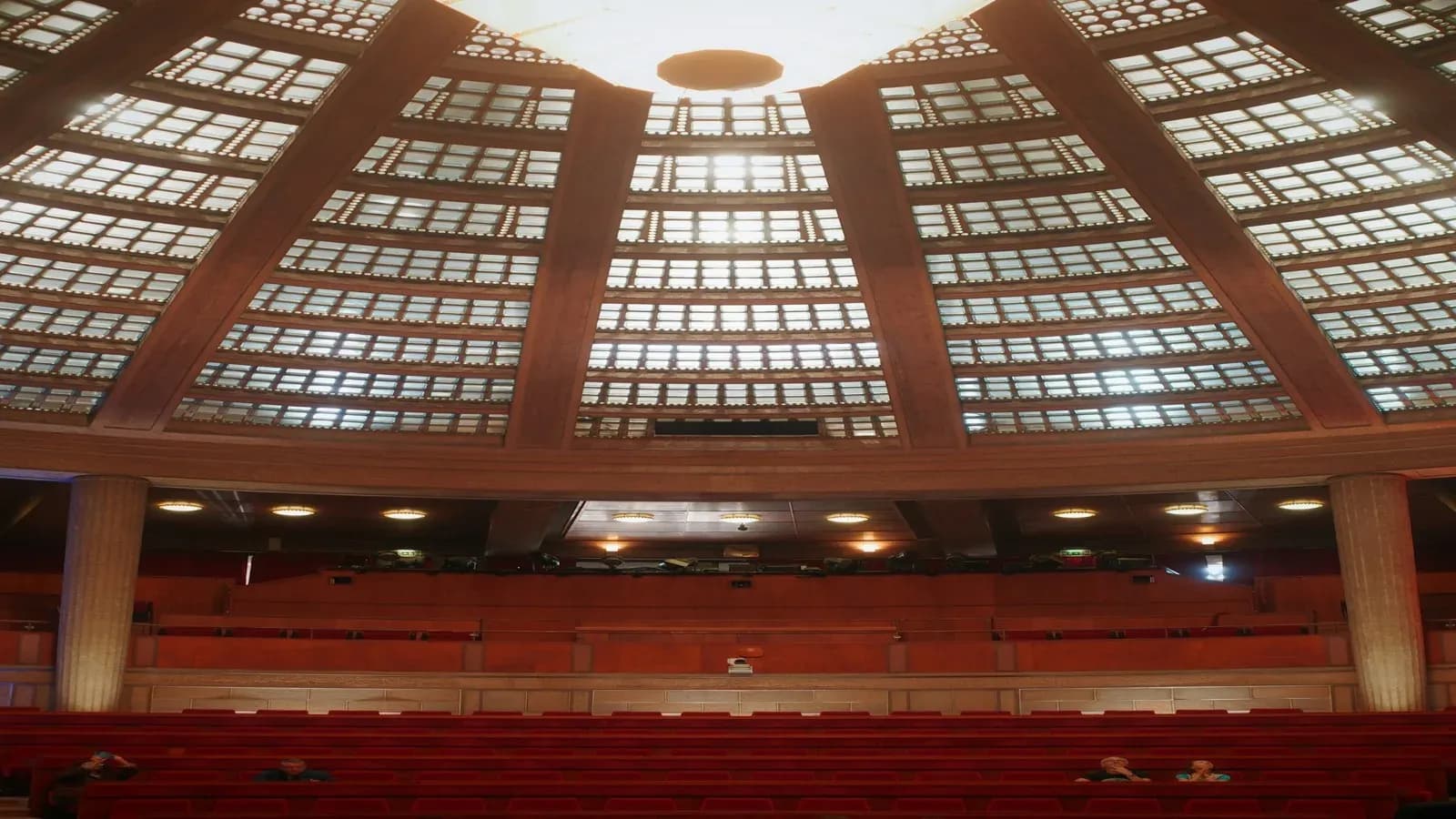
St. Louis is a foundational city in American music: the home of Chuck Berry, Miles Davis, Tina Turner, and a blues tradition that runs through every corner bar with a stage. BB's Jazz, Blues & Soups, on the National Register of Historic Places, is the premier live venue: gumbo while you listen, multiple rooms, music nightly. But the crown jewel is the Fabulous Fox Theatre, a 1929 Siamese-Byzantine movie palace with 4,500 seats, ornate plasterwork, and a massive Wurlitzer organ. Even if you don't see a show, the interior is worth the visit. Broadway tours, the symphony, and concerts fill the calendar year-round.
Here's the case for the extended stay: St. Louis delivers big-city living at a fraction of coastal prices. A morning run through Forest Park. Coffee at Blueprint Coffee, St. Louis's premier specialty roaster, with a minimalist aesthetic that matches the beans. A midday work session at a CWE café. Dinner at a James Beard-recognized restaurant for what appetizers cost in Manhattan. Saturday mornings at Soulard Market. A day trip to Missouri wine country: Hermann and Augusta, ninety minutes west, are genuinely charming. Guests who come for a week leave wondering why they don't live here. We hear this often enough to take some pride in it.
CWE Bohemian Villa: four bedrooms, game room, private garage, in the heart of the Central West End. Forest Park is a walk away. Walkable to Brasserie by Niche, Left Bank Books, and the entire Euclid Avenue corridor. The most connected property in our collection for guests who want to live a city, not just visit one.