
Houston Without the Highway: A Quiet Stay Near the Texas Medical Center
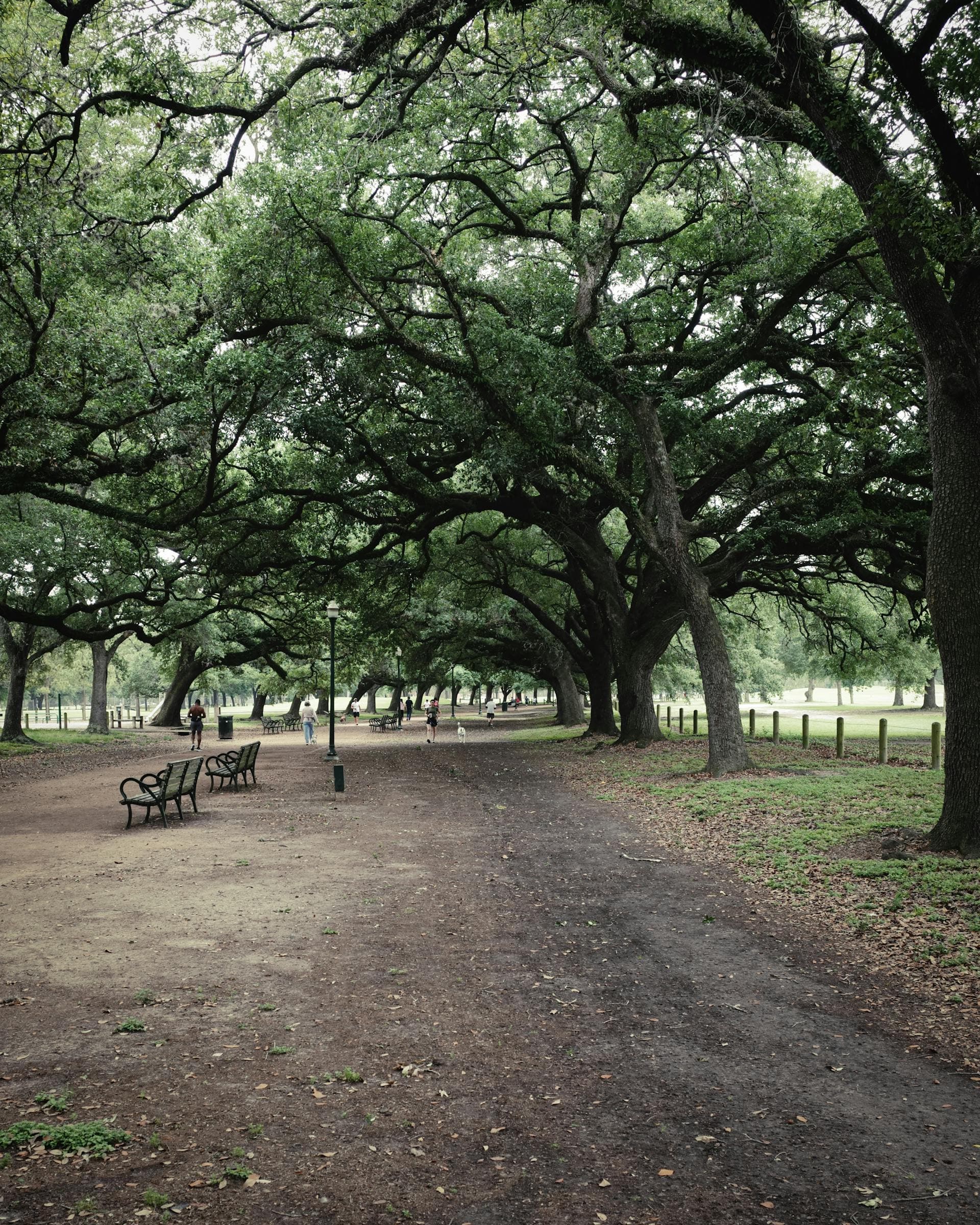
The south end of Hermann Park's trail loop is empty before 7am. Just live oaks pressing close over the path, a few joggers who clearly know each other, and the soft creak of the park before it fills. If you walked here from a rental in the Museum District with a coffee from the Vietnamese café on the Montrose edge (the one that roasts its own beans from a Kona farm on the Big Island), you might stand at the reflection pool for a few minutes longer than you planned. The day has appointments in it. There's a commute to make. But right now it's quiet, and that matters. Houston near the Texas Medical Center is not what the travel guides describe. This is a different city than the one people cite when they're listing reasons to visit. It's smaller, steadier, and, if you know where to stay, genuinely easy to live inside.

Why the highway isn't the story
Most writing about Houston leans on the same four pillars: the downtown skyline, Buffalo Bayou, the Galleria, and the food scene. For visitors arriving with a few free days and a conference to attend, that's fine guidance. For someone staying two or three weeks near the Medical Center, it is nearly useless.
Downtown is twenty minutes north. The Galleria is thirty minutes in the wrong direction. Buffalo Bayou is a beautiful park that requires a car, a plan, and energy. And while Houston's restaurant culture is genuinely one of the country's most interesting, week two of an extended stay is not the moment most people want unfamiliar spice profiles and chef-driven ambition. They want predictable, nearby, and good.
The southside, the loose crescent of neighborhoods from Rice Village through the Museum District and into Boulevard Oaks, is something closer to a small city within the city. It has coffee, groceries, culture, trees, and a rhythm that doesn't ask very much of you. A furnished rental near Texas Medical Center Houston places you inside that rhythm rather than outside it, commuting into it. The distinction sounds small. Over fourteen days, it becomes the whole texture of the stay.

Three quiet neighborhoods, three different days
Rice Village sits about two minutes south of the Medical Center by car, close enough that "going home" between appointments is actually possible, and close enough that a late lab result doesn't spiral into a logistical problem. The village itself is a 16-block walkable stretch with more than 300 businesses: coffee shops, a French bistro called Eau, Hamsa for Israeli-style food that travels well when you don't want to cook, Local Foods for clean fast-casual, and Roma when you want something quiet and Italian on a Wednesday night. The Rice University campus backs up to its western edge, which gives the whole area the particular atmosphere of a place that takes itself seriously but not loudly. It's a neighborhood that rewards a 20-minute morning loop with nothing in particular on the schedule.
The Museum District sits immediately west of the Medical Center, close enough to walk from some addresses, and it offers something Rice Village doesn't: unplanned time done well. The Menil Collection is free, never crowded before 11am on weekdays, and quietly one of the best small museums in the country. The Surrealist rooms, in particular, have a way of absorbing an hour without asking for anything in return. The neighborhood's café culture runs through Montrose: Common Bond for pastries and coffee with tables that invite staying longer than you meant to, and that Vietnamese café (Hanoi egg coffee, slow service in the best sense, Kona-roasted beans) for mornings when you want to be somewhere that feels like it belongs to nobody's itinerary. Nearby, the south-end Hermann Park trail is the kind of thing you do three times before you realize it's become part of your week.
Boulevard Oaks and Southampton are different in character from both. The houses are 1920s and 1930s, the live oak canopies are enormous, and there are deed restrictions in place that ban commercial activity from the residential streets, meaning no bar noise, no foot traffic, no sensation of being in a place that attracts visitors. It reads as quiet in a way that the other two neighborhoods don't quite manage. A private security patrol runs through the streets. Most guests who choose this area for stays longer than two weeks report that the absence of stimulation is exactly the point. It's less walkable than Rice Village, which means a car is genuinely needed, but it's also the closest thing in Houston to staying somewhere that has made peace with itself.

The small rituals that make a long stay livable
Extended stays have a natural arc: the first few days feel like managing logistics, the middle stretch is where things either stabilize or don't, and by the final week you either have a routine or you've been running on empty since day five. The neighborhoods around the Medical Center are structured, perhaps accidentally, in a way that supports routine.
The morning anchor is the clearest piece. Hermann Park's south trail before 7am, twenty minutes, before the day earns your attention. Coffee from a place you've started to recognize, consumed on a bench or on the walk back. It's not a prescription; it's a door. Something that belongs to you before anything else does.
Midday, if there's an unexpected gap (a result that takes longer than expected, a canceled follow-up), the Menil is a ten-minute drive and has never once felt crowded on a Tuesday afternoon. Forty-five minutes inside, then a coffee at the modest café on the grounds, and you've done something with time that could have just become staring at a phone.
The kitchen matters more than it usually does on vacation. The properties are set up for it: pantry staples, good knives, storage for whatever a grocery run turns up. There's a particular kind of agency in deciding what you're eating tomorrow and having the equipment to actually make it. Hospitals are efficient environments that run on other people's decisions. An evening spent cooking something straightforward in a quiet kitchen is a different kind of decision from the ones the day has been full of.

A few things worth knowing
The METRORail Red Line runs directly to the TMC station and costs $1.25 per ride, operating until 11:40pm on weeknights and later on weekends. For anyone staying in the Museum District or along the Midtown corridor, it removes parking entirely from the equation on appointment days, and on the drive back when you're tired, that matters.
Rice Village and Boulevard Oaks rentals require a car; it's not a complaint, just a fact to plan around. Most guests who stay more than a week keep one regardless, mostly for pharmacy runs and the flexibility of an unscheduled errand.
Summer in Houston is genuinely hot: August sits at 95 degrees Fahrenheit with humidity that pushes the heat index past 110. The outdoor rituals shift: Hermann Park before 6:30am, or not until evening. The upside is that summer is Houston's slowest tourism season, meaning Hermann Park is quieter in the mornings and rental availability is easier than the winter surge that comes with better weather and more visitors. November through March is the most forgiving window for outdoor time, with temperatures in the 60s and low humidity most days.
Parking at the Medical Center runs $5–9 per day at visitor lots, with multi-week passes available through individual hospital systems for guests who need daily access, worth asking about on arrival.
What stays with you
By the time most guests leave, they've figured out that the south part of Houston is its own answer to a question nobody asked them to solve. The trail at Hermann Park in the evening, when the heat has thinned out and the light goes low through the oaks, is a different place from the one it was at 6am, a little more populated, a little slower. Both are worth the fifteen minutes it takes to get there.
If you're looking for somewhere that functions less like a place to sleep between appointments and more like a home you happen to be living in for a while, that's the thing we pay attention to when we set these properties up. The specifics of the stay are yours.

Posted by
Oasis Team
Editorial team
Stories, guides, and design notes from the team behind Oasis Retreats: design-forward vacation rentals across Florida, Texas, North Carolina, Missouri, Pennsylvania, and Indiana.